
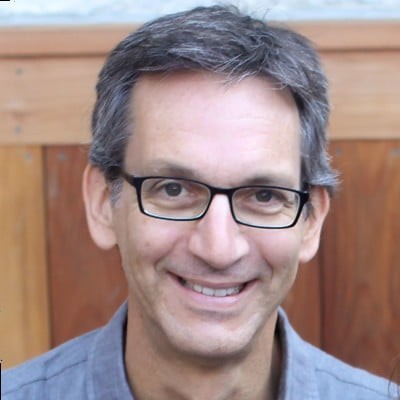
A recap of the CDD Vault webinar featuring Karl R. Pfleger, PhD, Founder of AgingBiotech.info.
CDD Vault recently hosted the first webinar in our Longevity Webinar Series featuring Dr. Pfleger, Founder of AgingBiotech.info. During the presentation, Dr. Pfleger explored how advances in geroscience, recent FDA approvals, and continued investment are accelerating the development of therapeutics that target the biology of aging rather than individual diseases.
The discussion examined how the field has evolved from an emerging area of research into a rapidly growing biotechnology sector with expanding clinical programs, increasing regulatory momentum, and a growing ecosystem of companies working to extend healthy lifespan.
Why Target Aging?
Dr. Pfleger began by examining how the leading causes of death have shifted over the past century. While medicine has traditionally focused on treating diseases individually, many chronic conditions, including Alzheimer's disease, cardiovascular disease, osteoarthritis, kidney disease, and pulmonary fibrosis, share common biological mechanisms that become more prevalent with age. This concept forms the foundation of geroscience, which views aging itself as the greatest risk factor for many chronic diseases. Rather than treating each condition independently, researchers are increasingly focused on understanding and targeting the biological processes that drive aging.
Dr. Pfleger highlighted several of these shared mechanisms, including cellular senescence, chronic inflammation, mitochondrial dysfunction, DNA damage, stem cell dysfunction, and epigenetic changes, often referred to as the hallmarks of aging. By targeting these underlying processes, researchers hope to reduce the risk of multiple age-related diseases while extending healthspan, the number of years people remain healthy, active, and independent.
The Longevity Field Is Entering a New Era
A central theme throughout the presentation was that longevity research has reached an important inflection point. What was once considered a niche area of research has grown into a rapidly expanding biotechnology sector supported by hundreds of companies, increasing venture investment, clinical development programs, and growing interest from the broader life sciences community.
Dr. Pfleger highlighted the expanding longevity ecosystem and discussed how advances in science, investment, and industry collaboration are helping move therapies targeting aging biology closer to clinical application. As more organizations enter the field, longevity research is becoming an increasingly important area of drug discovery.
FDA Approvals Are Creating Regulatory Momentum
Dr. Pfleger also discussed how recent FDA approvals represent important milestones for the longevity field. Although these therapies are currently approved for specific diseases rather than aging itself, they demonstrate that treatments targeting biological mechanisms associated with aging can successfully navigate clinical development and regulatory review.
These approvals not only validate the underlying science but also help establish clearer regulatory pathways for future therapies. According to Dr. Pfleger, this growing regulatory momentum is encouraging greater confidence among researchers, biotechnology companies, and investors pursuing aging-focused therapeutics.
Funding Must Catch Up With the Science
Despite the progress being made, Dr. Pfleger emphasized that aging research remains significantly underfunded relative to its impact on human health. Aging is the primary risk factor for many chronic diseases, yet only a small fraction of biomedical research funding is directed toward understanding and treating the underlying biology of aging.
He discussed how increased investment from government agencies, philanthropic organizations, and private investors will be essential to advancing the field. Recent FDA approvals, he noted, may help attract additional funding by reducing scientific and regulatory uncertainty while demonstrating that longevity-focused therapeutics have a viable path to commercialization.
Healthspan Is the Ultimate Goal
Throughout the webinar, Dr. Pfleger emphasized an important distinction between extending lifespan and improving healthspan. Rather than simply helping people live longer, the goal of longevity research is to delay or prevent the onset of age-related diseases so people can remain healthier, more independent, and cognitively active as they age.
The presentation concluded with an engaging Q&A session covering topics such as regulatory strategy, funding, combination therapies, and the future of aging as a therapeutic target. Together, these discussions reinforced the idea that longevity science is entering a period of meaningful clinical and commercial progress.
You can view Dr. Pfleger's presentation slides here.
Questions on Clinical Translation and the Future of Longevity Research
Audience questions explored the future of longevity therapeutics, including how aging may be measured in clinical trials, whether regulatory agencies are becoming more receptive to longevity-focused endpoints, and what role biomarkers may play in evaluating emerging therapies. Attendees also discussed the importance of balancing increased lifespan with improved healthspan, as well as the challenges of funding, commercialization, and broad patient access.
Dr. Pfleger concluded by emphasizing that recent scientific and regulatory progress is helping move the field closer to clinical translation. While additional research and investment will be needed, he expressed optimism that continued collaboration across academia, industry, and regulatory organizations will help accelerate the development of therapies targeting the biology of aging.
Karl R. Pfleger, PhD
Founder, AgingBiotech.info
Karl R. Pfleger, PhD, is the Founder of AgingBiotech.info, an open reference platform cataloging over 400 companies, clinical trials, investors, conferences, and sector-level data across the aging therapeutics industry. He is an active angel investor with more than 20 portfolio companies focused on rejuvenation biotechnology and damage-repair approaches to aging, including Repair Biotechnologies, Juvena Therapeutics, and Immunis Bio. He is a longtime philanthropic supporter of the Buck Institute for Research on Aging.
Prior to his work in the longevity sector, Dr. Pfleger was a research scientist and data analyst at Google from 2002 to 2013, applying artificial intelligence and machine learning at scale. He earned his PhD in Computer Science from Stanford University, specializing in Artificial Intelligence and Machine Learning, and his BSE in Computer Science from Princeton University. His work focuses on tracking the commercial translation of aging research into therapeutics targeting core aging mechanisms with potential to address multiple age-related diseases.
Other posts you might be interested in
View All Posts
Webinars
1 min
July 28, 2026
Webinar Recording: FDA Approvals of Aging Therapies Have Started
Read More
Events
2 min
July 27, 2026
Recap Of CDD Korean Life Science Community Meeting 2026
Read More
CDD Insights
10 min
July 22, 2026
Top Research Informatics Platforms for Mid-Sized Biotech in 2026
Read More

